








Description
COMPOSER’S NOTE
{xx} i.e. the fenghuang or Chinese phoenix, shares little with its Egyptian or European counterpart except immortality. In Fenghuang Singing it appears only in the title—an allusion to my Chinese parentage—but also as a universal symbol of the resilience of the human spirit in war and peace, transcending all cultures and historical epochs.
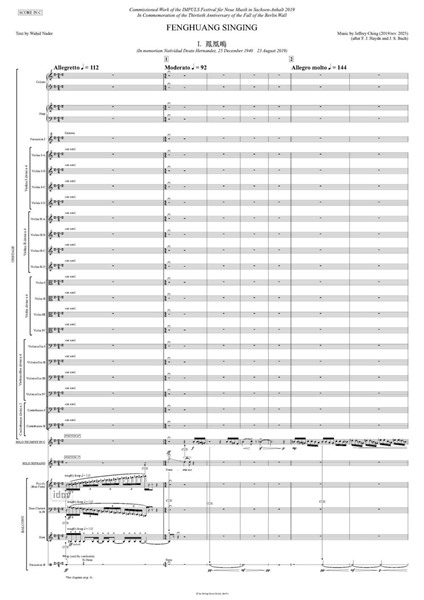
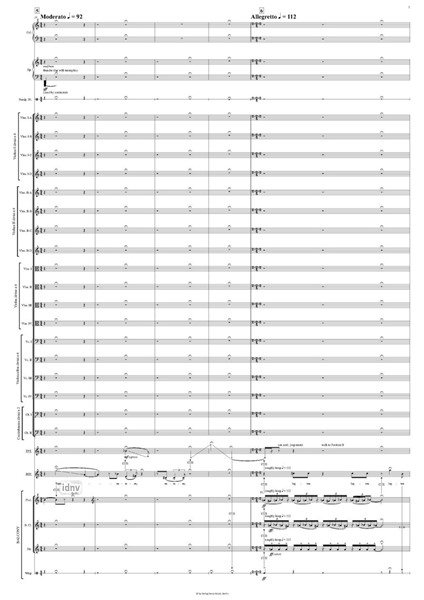
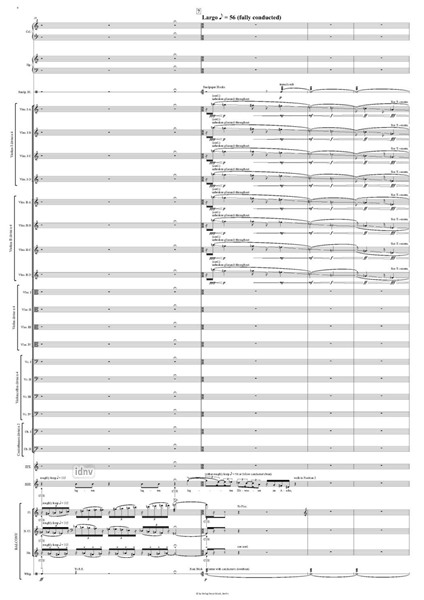
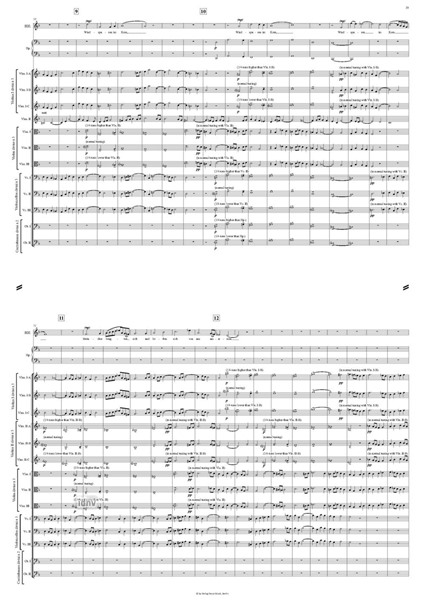
Fenghuang Singing takes the form of two fugues, or, more precisely, a prelude of fugal character followed by my completion of the unfinished Contrapunctus XIV from J. S. Bach’s Die Kunst der Fuge. In the opening fugal prelude, called {xxx} (meaning simply “Fenghuang
singing”), the wartime destruction and phoenix-like rebirth of the sister cities Magdeburg and Braunschweig, respectively of East and West, are recalled in the thirtieth anniversary year of the fall of the Berlin Wall.
[…]
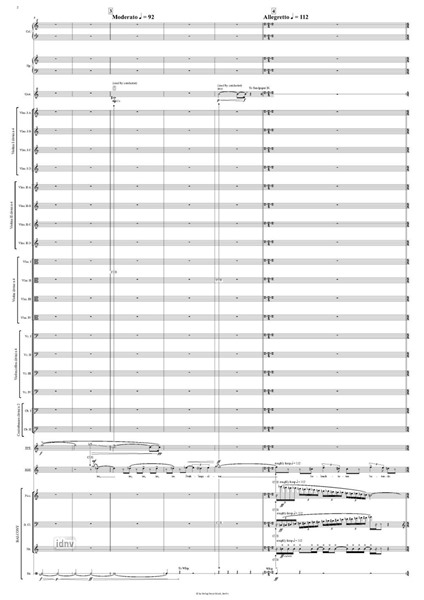
The music interweaves a number of elements: motifs from East and West German hymns over which—in evocation of equally momentous events at the other side of the world—are overlaid string glissandi transcribed geometrically from the Chinese ideographs for fenghuang in Mao Zedong’s calligraphy.
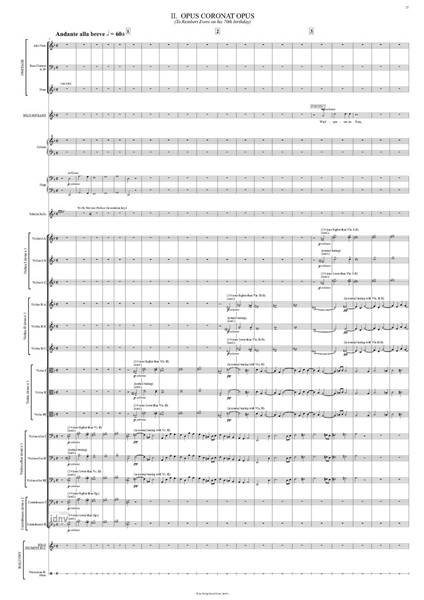
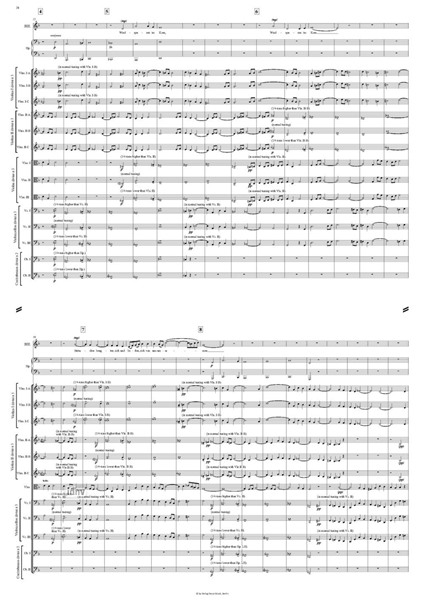
The second part, Opus coronat opus, sets another poem by Dr Nader, and conjoins East and West once more but this time in a love song.
[…]
Four-fifths into the fugue Bach’s autograph runs out, the string orchestra recedes, as celesta and harp begin the completion of the uncompletable. Love—as war and peace, mutual yearning and obliteration, life-giving transfusion and cancerous mutation—is chromatic,
fugal, microtonal, and, at least within the bounds of human history, eternally unfinished business.
[…]
Jeffrey Ching
Manila, 22 August 2025